Get Sagging Floor Repair
Sagging floor repair services help property owners fix uneven, weakened, or damaged floors caused by structural issues, often involving joist reinforcement, leveling, or replacement by local contractors.
Sagging floors can be a sign of underlying structural issues that may need prompt attention. Property owners in the area often explore repair options to ensure safety, maintain property value, and prevent further damage. If you’ve noticed uneven or creaking floors, it’s worth considering professional assessments to determine the best course of action. Keep reading to learn how local contractors can help address these concerns efficiently and effectively.
Choosing the right service provider is an important step in planning a floor repair project. Local contractors offer a range of solutions tailored to the specific needs of your property, allowing you to compare options and find the best fit for your situation. Exploring your local options can help you make informed decisions and connect with experienced professionals capable of restoring stability to your floors.
- Sagging Floor Repair - needed when floors become uneven or dip due to structural issues or moisture damage.
- Subfloor Leveling - required when existing subfloors show signs of warping or irregularities affecting floor stability.
- Floor Reinforcement - necessary when supporting beams or joists weaken, causing floors to sag or bounce.
- Moisture Damage Restoration - essential if water intrusion has compromised the integrity of the flooring or substructure.
- Structural Assessment and Repair - recommended when there are concerns about the overall stability of the floor system.
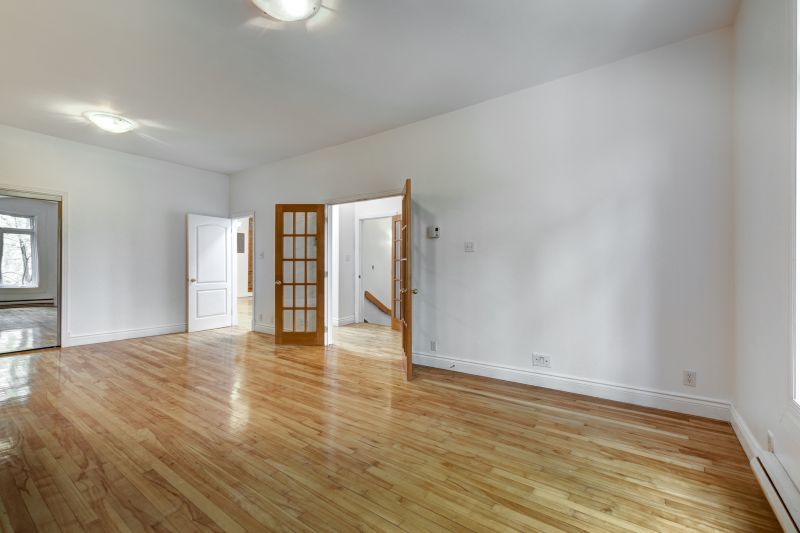
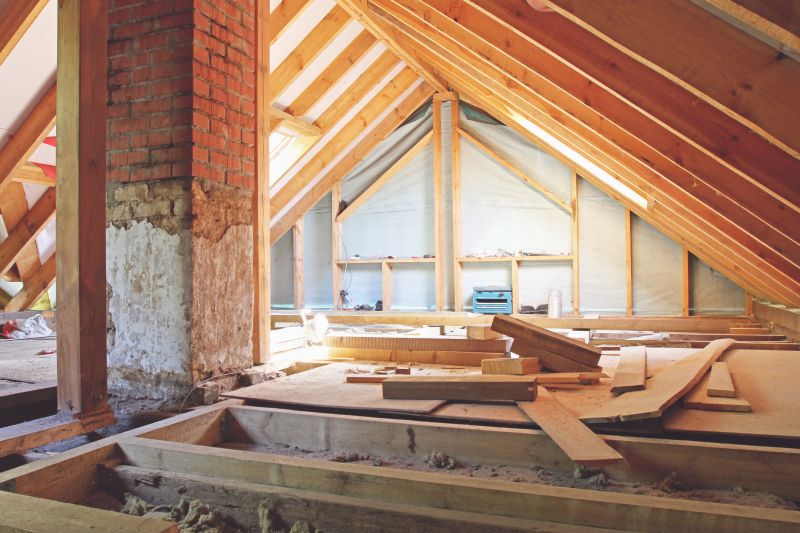
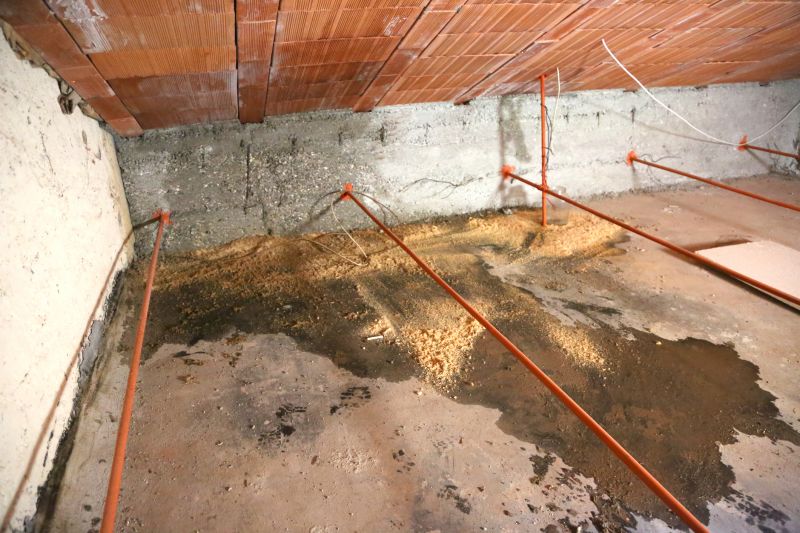
Sagging floor repair services address issues where the flooring in a property begins to dip, sag, or feel uneven. This problem often results from underlying structural damage, such as weakened or damaged joists, or from settling foundations that cause the floor to shift. When floors start to feel soft or bouncy, or when visible dips and slopes develop, it may be a sign that repairs are needed. Local contractors specializing in sagging floor repair can evaluate the condition of the subfloor and framing to determine the best course of action for restoring stability and safety.
This service helps solve several common problems associated with sagging floors. These include creaking noises, uneven surfaces that make walking uncomfortable or unsafe, and potential damage to flooring materials like hardwood or tile. Left unaddressed, sagging floors can lead to further structural issues or even pose safety hazards, especially in high-traffic areas. Repair solutions often involve reinforcing or replacing weakened joists, adding support beams, or other structural adjustments to ensure the floor remains level and secure.
Sagging floor repair services are typically needed in residential properties, including single-family homes, multi-family buildings, and older houses with aging structures. Properties that have experienced foundation settling, water damage, or prolonged exposure to moisture are more prone to sagging floors. Additionally, homes with previous repairs or renovations that compromised the original framing may also require these services to restore their integrity. Local contractors are experienced in working with various property types and can tailor solutions to suit specific structural conditions.
Homeowners noticing signs of uneven or sagging floors should consider consulting with local service providers who specialize in this type of repair. Recognizing the early warning signs, such as creaking sounds, visible dips, or difficulty in opening doors and windows, can help prevent more extensive damage. Connecting with experienced contractors ensures that the underlying issues are properly diagnosed and addressed, restoring the safety, functionality, and value of the property.
The overview below groups typical Sagging Floor Repair projects into broad ranges so you can see how smaller, mid-sized, and larger jobs often compare in your area.
In many markets, a large share of routine jobs stays in the lower and middle ranges, while only a smaller percentage of projects moves into the highest bands when the work is more complex or site conditions are harder than average.
Smaller Repairs - Typically, fixing minor sagging or localized issues can cost between $250 and $600. Most routine repairs fall within this range, depending on the extent of the damage and materials needed.
Moderate Repairs - Addressing more significant sagging or partial floor replacements usually ranges from $600 to $2,000. Many projects in this category are straightforward but may vary based on the size of the area and underlying causes.
Full Floor Replacement - Replacing an entire sagging floor can cost between $2,000 and $5,000 or more. Larger, more complex projects tend to push toward the higher end of this range, depending on the scope of work required.
Major Structural Repairs - Extensive repairs involving foundational work or significant structural reinforcement can exceed $5,000. Such projects are less common and usually involve complex assessments and customized solutions by local contractors.
Actual totals will depend on details like access to the work area, the scope of the project, and the materials selected, so use these as general starting points rather than exact figures.
Subfloor Replacement - local contractors with experience in subfloor replacement can address issues related to sagging floors by removing and installing new subfloor materials.
Foundation Repair - foundation repair specialists often handle structural adjustments that can prevent or fix sagging floors caused by foundation settling or shifting.
Joist Reinforcement - experts in joist reinforcement can strengthen or replace weakened floor joists to restore stability and prevent sagging.
Floor Leveling - floor leveling professionals use specialized tools and techniques to correct uneven floors that may be related to sagging or structural issues.
Structural Support Installation - service providers can install beams, piers, or additional supports to reinforce the floor structure and prevent future sagging.
Dry Rot Repair - specialists in dry rot repair address wood decay that can weaken floor structures and contribute to sagging floors.
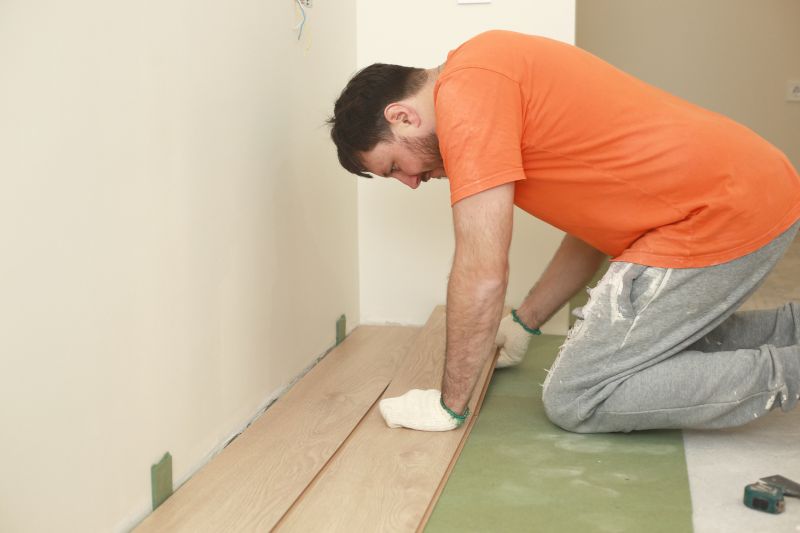
When evaluating service providers for sagging floor repair, it’s important to consider their experience with similar projects. Homeowners should seek out local contractors who have a proven track record of handling floor stabilization and repair work comparable to their specific needs. Asking about the types of projects completed and the duration of experience can help ensure the contractor understands the complexities involved and has the skills necessary to deliver quality results.
Clear, written expectations are essential to a successful repair process. Homeowners should look for service providers who provide detailed descriptions of the work scope, materials to be used, and the steps involved in the repair. Having this information in writing helps prevent misunderstandings and ensures everyone is aligned on what will be done. It also provides a reference point for any questions or concerns that may arise during the project.
Reputable references and good communication are key indicators of a dependable local contractor. Homeowners are encouraged to request references from past clients who had similar sagging floor issues, as this can provide insight into the contractor’s reliability and quality of work. Additionally, service providers who communicate clearly and promptly can help build confidence and facilitate a smooth repair process. It’s important to choose local options that are known for professionalism and transparency, as these qualities contribute to a positive experience from start to finish.
Property owners use Sagging Floor Repair services for practical projects around their homes and businesses. This guide focuses on everyday jobs and straightforward project options.
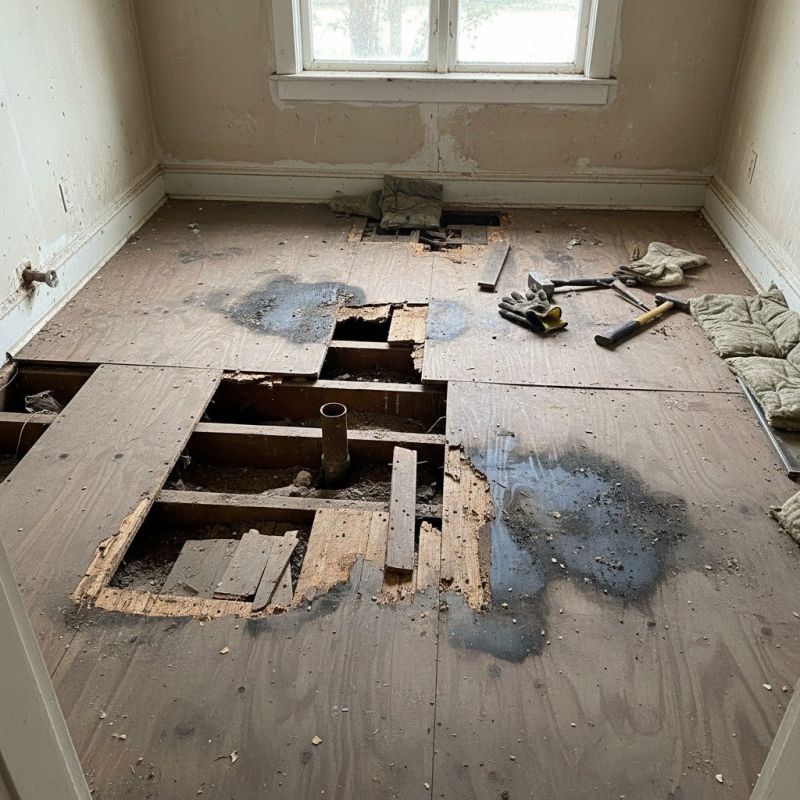
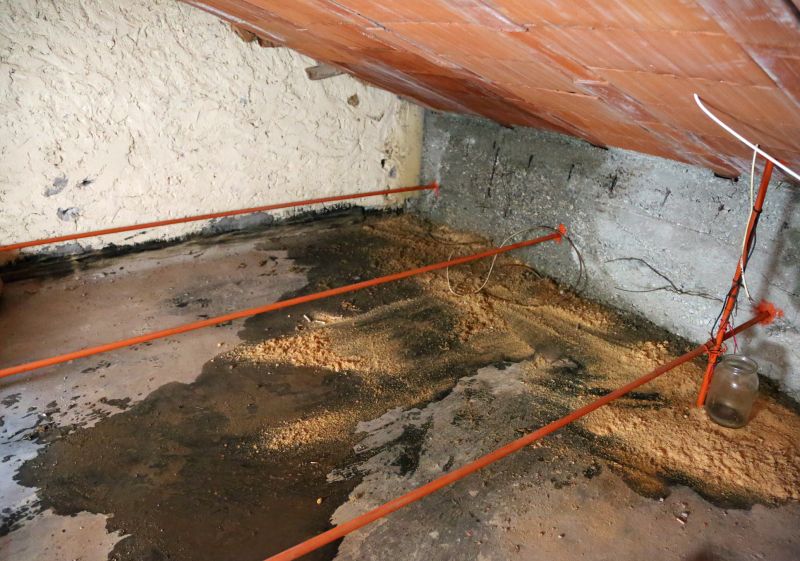
Sagging floors can become a noticeable issue in homes and businesses, often resulting from underlying structural problems, moisture damage, or aging materials. Property owners in the area may seek out local contractors to assess the situation and perform repairs that restore stability and safety to their floors. Whether it's a small section or an entire level, these service providers can handle a variety of issues caused by uneven support, weak joists, or damaged subflooring.
Many property owners notice sagging floors after renovations, changes in humidity, or over time as the building settles. Such issues can lead to uneven surfaces, creaking sounds, or concerns about safety. Local contractors experienced in floor repair are available to evaluate the problem and provide solutions that help reinforce and level the affected areas, ensuring the space remains functional and secure.
What causes floors to sag? Sagging floors are often caused by issues such as weakened or damaged joists, moisture damage, or foundational settling that compromise the support structure.
How can sagging floors be repaired? Local contractors may use methods like sistering joists, installing new supports, or reinforcing existing framing to stabilize and lift the floor.
Are there signs to look for indicating a sagging floor? Common signs include noticeable dips, creaking sounds, uneven surfaces, or visible gaps between the floor and walls.
Is sagging floor repair a complex project? Repair complexity varies depending on the extent of damage; a professional assessment can determine the appropriate solution.
How do I find local pros for sagging floor repair? Contacting nearby service providers through a lead generation platform can connect homeowners with qualified contractors experienced in floor repairs.
Sagging Floor Assessment - Property owners can schedule an inspection to identify the extent of floor sagging and determine if repairs are needed in areas like basements or living rooms.
Structural Support Installation - Homeowners may work with local contractors to add supports or reinforce existing joists to improve floor stability and safety.
Foundation and Subfloor Repair - Property owners can explore options for fixing underlying foundation issues or replacing damaged subfloor materials to prevent further sagging.
Preventative Maintenance Planning - Homeowners might seek guidance on ongoing maintenance practices to avoid future floor sagging and maintain structural integrity.
If you are thinking about Sagging Floor Repair for a property, this guide is meant to help you understand the work, the typical project types, and how different options might fit your plans.
When you are ready, you can use the quote form on this page to share a few details about your project. From there, local pros can review the basics and respond with options that match what you have in mind.